|
| Wake up to good news. |
|
| Supported By |

|
|
|
|
Saturday • January 6, 2024
|
|
“Get healthy” tops many a New Year’s resolutions list, but the goal can often feel vague — and completely daunting. We’re here to tell you that prioritizing healthiness doesn’t have to be a miserable process, and it doesn’t have to mean forcing yourself to attend a gym or follow a diet that you hate. From finding affordable therapy to managing your back pain and upping your fiber intake, read NPR’s nine tips for getting healthier in 2024 “without trying very hard.”
|

|
|
Science
|

|
| Mystery Solved: Scientists Have Finally Figured Out Why Urine Is Yellow |

|
|
musmus culus/ iStock
|
Why exactly is urine yellow? Researchers finally have the answer to a question that stumped them (and many other humans) for years. In a study published this week, scientists with the University of Maryland and the National Institutes of Health identified the enzyme responsible for urine’s color.
“It’s remarkable that an everyday biological phenomenon went unexplained for so long, and our team is excited to be able to explain it,” lead author Brantley Hall, an assistant professor in UM’s Department of Cell Biology and Molecular Genetics, said in a news release from the university.
It’s long been known that the molecule urobilin is linked to the yellow hue, but its source remained a mystery. The team found that as red blood cells break down, a bright orange pigment called bilirubin is produced. “Gut microbes encode the enzyme bilirubin reductase that converts bilirubin into a colorless byproduct called urobilinogen,” explained Hall. “Urobilinogen then spontaneously degrades into a molecule called urobilin, which is responsible for the yellow color we are all familiar with.”
The findings could have significant implications for understanding gut health, inflammatory bowel disease, and other ailments. “Now that we’ve identified this enzyme, we can start investigating how the bacteria in our gut impact circulating bilirubin levels and related health conditions like jaundice,” said study co-author Xiaofang Jiang. “This discovery lays the foundation for understanding the gut-liver axis.”
|
|
|
|
|
|
Protect Your Home in 2024
|

|
|
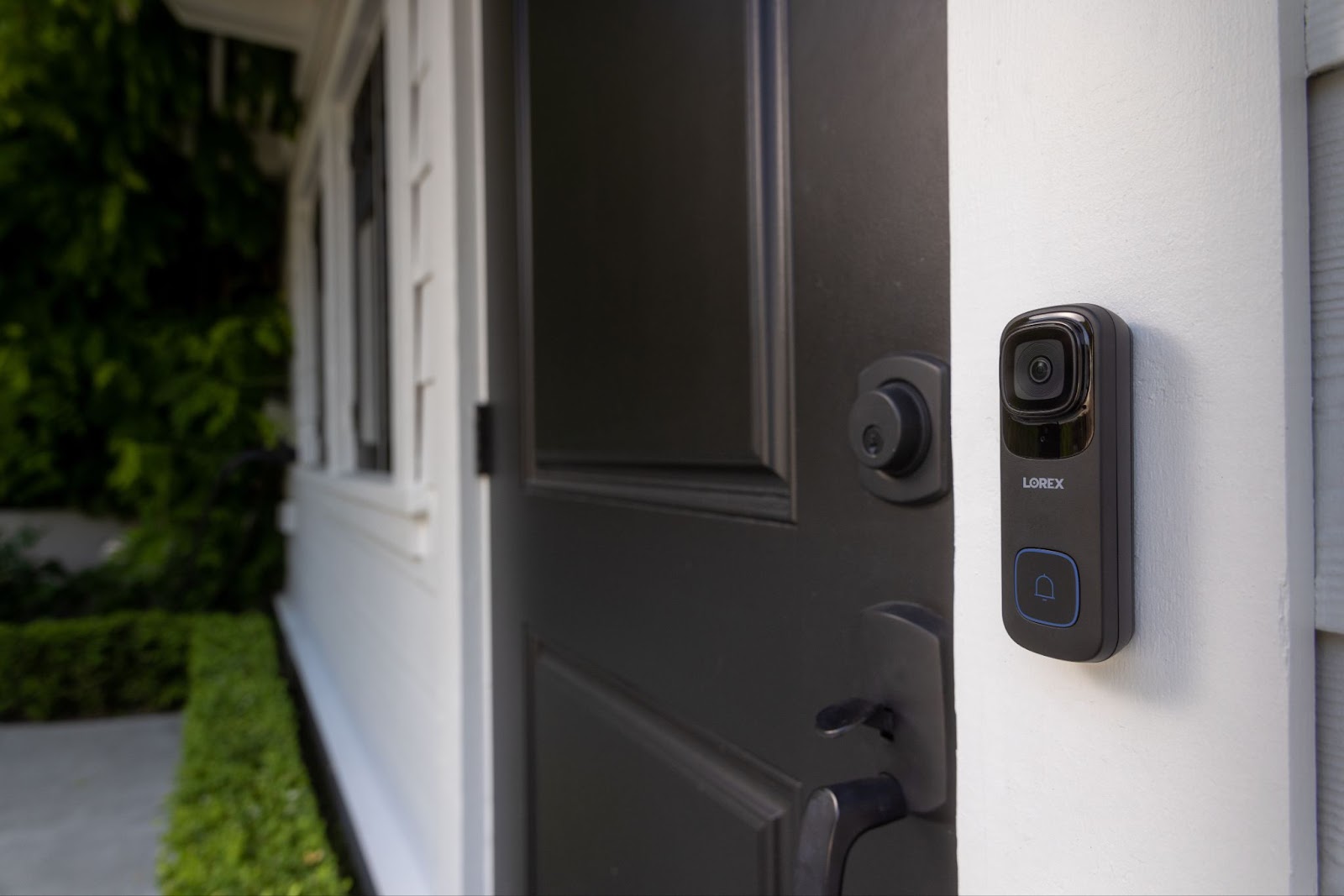
Lorex has been a leading innovator in the security industry for over 30 years. Today, the company is proud to introduce the industry’s first 4K video doorbell, full of unique features that separate it from the competition.
It’s equipped with a motion-activated night light, two-way talk, color night vision, and smart motion detection, which can differentiate between a person, vehicle, animal, or package delivery. And Lorex footage is saved locally, keeping it private and in the user’s control without monthly fees — learn all about these features and more below.
|
|
|
|
*Please support our sponsors! They help us keep Nice News free. ♡
|
|
|
|
|
|
Environment
|

|
| Inside the Quest to Preserve Quiet Places in an Increasingly Noisy World |

|
|
franckreporter/ iStock
|
Phone alerts, car horns, and road noise are such a common part of our hustle-and-bustle world that it’s easy to forget what natural silence sounds like, let alone be able to find it. But there’s a growing movement to preserve spaces of silence and nourish those with a thirst for quiet escapes.
Meet Quiet Parks International: a nonprofit committed to “saving quiet for the benefit of all life.” The team includes scientists and acoustic ecologists dedicated to identifying, understanding, and preserving places where you can experience at least 15 minutes of natural silence — or in other words, no human-made noise.
Although quiet is defined as a lack of noise, it is so much more than that, according to Matthew Mikkelsen, a sound recordist and executive director of Wilderness Quiet Parks. “Quiet, I think, holds space for things that we can’t verbalize as humans,” he told CBS News. “We use silence as a way to honor things.”
Quiet locations — which include national parks and nature reserves — are becoming increasingly rare, making them all the more necessary to protect and savor. Said Mikkelsen: “I know people find a lot more than just a good, enjoyable listening experience when they go to a quiet park. They find things that stay with them and that help them live more happy, fulfilled lives.”
|
|
|
|
|
|
|
|
Animals
|

|
| How Stray Cats Are Teaching Chilean Inmates More Responsibility and Compassion |
|
|
Magui-rfajardo/ iStock
|
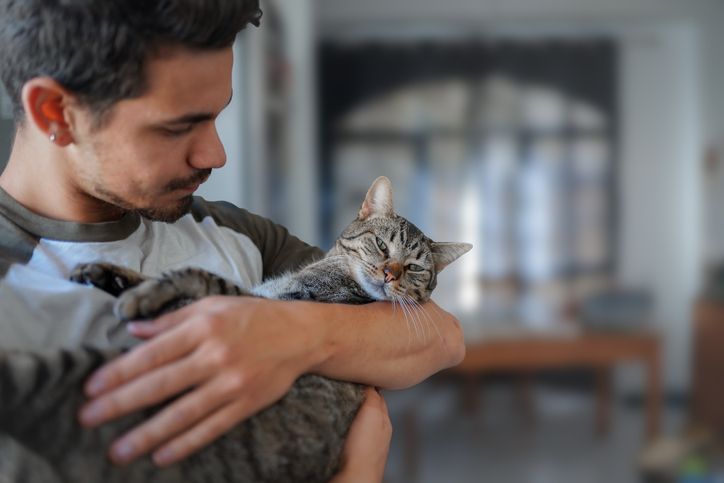
We all probably agree: There’s a lot that can be learned from our pets. This is especially true for inmates at the largest and oldest penitentiary in Chile, where stray cats are showing the human residents how to become more compassionate versions of themselves.
“They’re our companions,” Carlos Nuñez told The New York Times. Nuñez, who is serving a 14-year sentence, has developed a strong bond with a tabby he named Feita, meaning “ugly” in English.
The 180-year-old prison houses 5,600 inmates and roughly 300 stray cats. Initially, the felines were credited with simply helping with a rat problem. But over the years, they’ve offered much more, according to inmates and staff. Col. Helen Leal González, the prison’s warden, explained that the presence of the cats “has changed the inmates’ mood, has regulated their behavior, and has strengthened their sense of responsibility with their duties, especially caring for animals.”
This relationship is a two-way street. The cats get shelter, food, and care; the inmates get lessons in how to accept and reciprocate love. “A cat makes you worry about it, feed it, take care of it, give it special attention,” Nuñez explained to the Times. “When we were outside and free, we never did this. We discovered it in here.”
|
|
|
|
|
|
In Other News
|

|
|
|
|
Inspiring Stories
|

|

|
Our troubles are the same
In Northern Ireland, people living with Parkinson’s disease can find community at the Parkinson’s Drop-In Café — a series of establishments where they can discuss their challenges and share their experiences in a safe space. Denis Brown, who was diagnosed in 2008 at age 44, told BBC: “We can sit here and laugh and joke about it.”
|
|
|
“Eternally grateful”
Owen Monroe was born in 2022 with a serious heart defect that required his arteries and valves to be fixed. Now, a year after he underwent a first-of-its-kind partial heart transplant, the toddler is thriving. “We are just eternally, eternally grateful for our donor’s family. Truly, Owen would not be here today,” his mom told Good Morning America.
|
|
|
|
|
Post Of The Day
|

|
|
|
@citrusgirlpaige
|
|
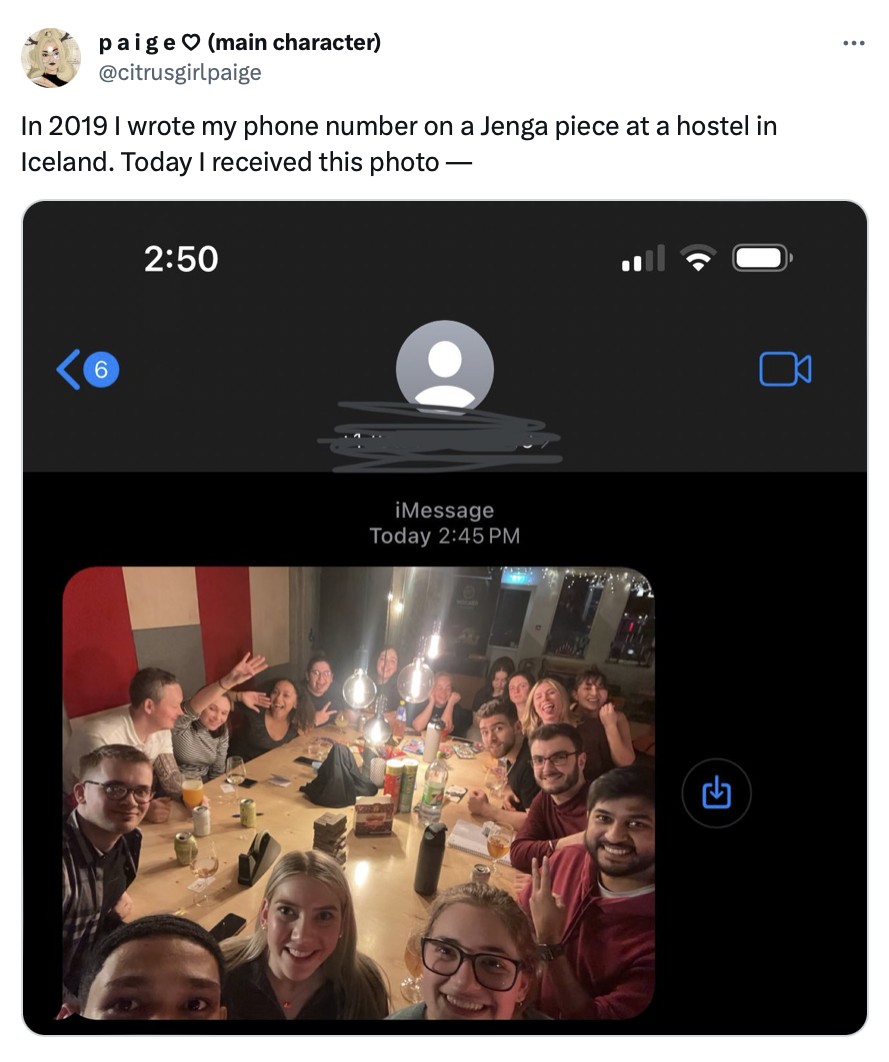
A full circle story! Paige, who posted the photo, said she had “totally forgotten” about the Jenga message she left four years ago, making this surprise text all the more exciting. (Photo Credit: @citrusgirlpaige/ X)
|
|
|
|
Quote of the Day
|

|
| “Listening well is a superpower.”
- Kevin Kelly
|
|
|
|
|