|
| Wake up to good news. |
|
| Supported By |

|
|
|
|
Tuesday • January 30, 2024
|
|
Is your bedroom dark enough for sleeping? Research shows that even dim light, such as that from a hallway light, can raise your heart rate, shorten your sleep stages, and increase insulin resistance while you snooze. Thankfully, the solution could be as simple as investing in a low-cost eye mask, a new study found. In an interview with The Washington Post, co-author Viviana Greco said a mask may sound “very basic and simple” but “can have huge benefits.” Read more of the outlet’s tips for avoiding light at night, and check out some of Nice News’ favorite sleep accessories.
|

|
|
Science
|

|
| After Nearly 1K Martian Days, NASA’s Ingenuity Chopper Has Taken Its Last Flight |

|
| NASA/JPL-Caltech |
NASA’s Ingenuity helicopter landed on Mars in February 2021 for a short mission consisting of five experimental test flights. When it first lifted off that April, it proved that powered, controlled flight was possible on the red planet. And rather than retiring 30 days later as planned, Ingenuity stayed.
Over the past three years, the tiny, 4-pound chopper has logged 72 flights and spent nearly 1,000 Martian days up in space — “more than 33 times longer than originally planned,” NASA said in a recent press release announcing that Ingenuity’s era has finally come to an end.
The helicopter’s last flight took place Jan. 18. It reached a height of 40 feet and hovered for a few seconds before its descent, during which it lost contact with the Perseverance rover. After communications were restored, ground controllers received imagery that showed damage to Ingenuity’s rotor blade, signaling the conclusion of its Mars mission.
“The historic journey of Ingenuity, the first aircraft on another planet, has come to [an] end,” Administrator Bill Nelson said in a statement. “That remarkable helicopter flew higher and farther than we ever imagined and helped NASA do what we do best — make the impossible, possible.”
|
|
|
|
|
|
The Missing Ingredient in Your Medicine Cabinet
|

|
|
Fighting winter germs is an all-hands-on-deck effort this time of year, and Beekeeper’s Naturals is here to help. The brand’s clean immune support products are formulated with propolis, a natural substance produced by bees to protect their hives from germs. Propolis is antimicrobial and antifungal, and supports your immune system with antioxidants, vitamin C, zinc, iron, and B vitamins.
We love the Propolis Throat Spray, providing a daily dose of immune support in just four sprays. And for supercharged immune support — which we all need right now — the Propolis + Vitamin C Liposomal will get the job done with 1,000 mg of Vitamin C and 100 mg of propolis. For a limited time, Nice News readers can take 20% off their purchase with code NICE20.
|
|
|
|
*Please support our sponsors! They help us keep Nice News free. ♡
|
|
|
|
|
|
Environment
|

|
| Largest Dam Removal in US History Nears Completion: “The Salmon Have a Future” |

|
|
Brian van der Brug/ Los Angeles Times via Getty Images
|
The dam removal in the Klamath River Basin — the largest such project in U.S. history — is one step closer to completion after the Iron Gate Dam in Hornbrook, California, was widened from a tiny crack to a 36-inch passageway, per NPR.
Eventually, Iron Gate will be fully removed, so water can move freely through the 16-foot tunnel. It’s one of four obsolete dams in the basin, which runs from southern Oregon through northern California, that will be completely opened by June.
Restoring the river’s natural flow for the first time in over a century will benefit local wildlife — namely the Chinook salmon — and allow more native vegetation to flourish. It’s largely the result of advocacy from local Indigenous communities, including the Yurok, Karuk, and Shasta, that rely on the salmon for food and have long-established cultural ties to the Klamath River.
“This is historic and life-changing,” Amy Cordalis, an attorney and Yurok Tribe member who witnessed Iron Gate’s opening earlier this month, told NPR. “And it means that the Yurok people have a future. It means the river has a future; the salmon have a future.”
|
|
|
|
|
|
|
|
Animals
|

|
| Humans Can Tell if Chickens Are Happy or Frustrated Based on Clucks: Study |
|
|
FACTORY16/ iStock
|
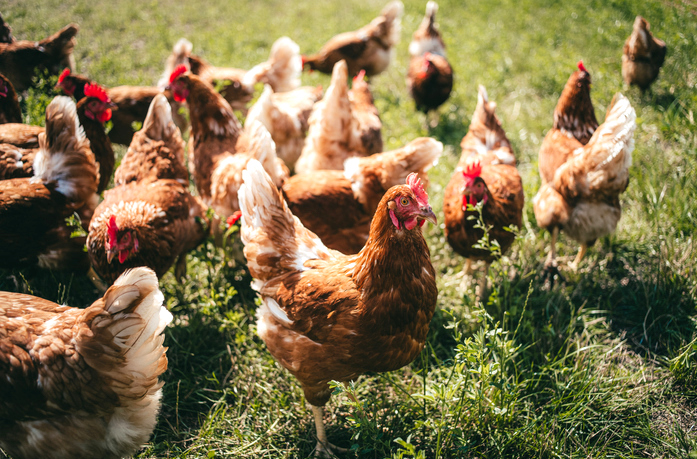
There’s a world of information about how to read animals’ moods with body language cues, but when it comes to chickens, the key may be listening rather than looking. A recent study showed that humans can interpret a chicken’s mood by tuning in to the sounds of their calls and clucks.
In the study published in Royal Society Open Science earlier this month, scientists played audio recordings of hens to 194 participants. Of the volunteers, 69% could tell the difference between excited birds (those about to get a treat) and displeased birds (those that knew a treat wasn’t coming) based on the audio recordings alone.
Joerg Henning, a co-author of the study, said in a press release: “It provides confidence that people involved in chicken husbandry can identify the emotional state of the birds they look after, even if they don’t have prior experience.”
Aside from capturing the underlying bond between chickens and people, this understanding could be leveraged to improve the lives of feathered flocks. Henning added that it “could enhance the management of farmed chickens to improve their welfare, while helping conscientious consumers to make more informed purchasing decisions.”
|
|
|
|
|
|
In Other News
|

|
|
|
|
Inspiring Stories
|

|

|
“He’s so pretty”
A new mom captured the moment her dad met his first grandchild, and the resulting video will have you reaching for the tissues.
|
|
|
The cultural power of food
In her new book, What Did My Ancestors Eat?, children’s author Quinn Miller Murphy aims to help kids feel connected to their cultural heritage through food. She said she hopes the story will “start early discussions of culture and community, which can instill a sense of pride and connection to family.”
|
|
|
|
|
Post Of The Day
|

|
|
|
@cbsnews
|
|
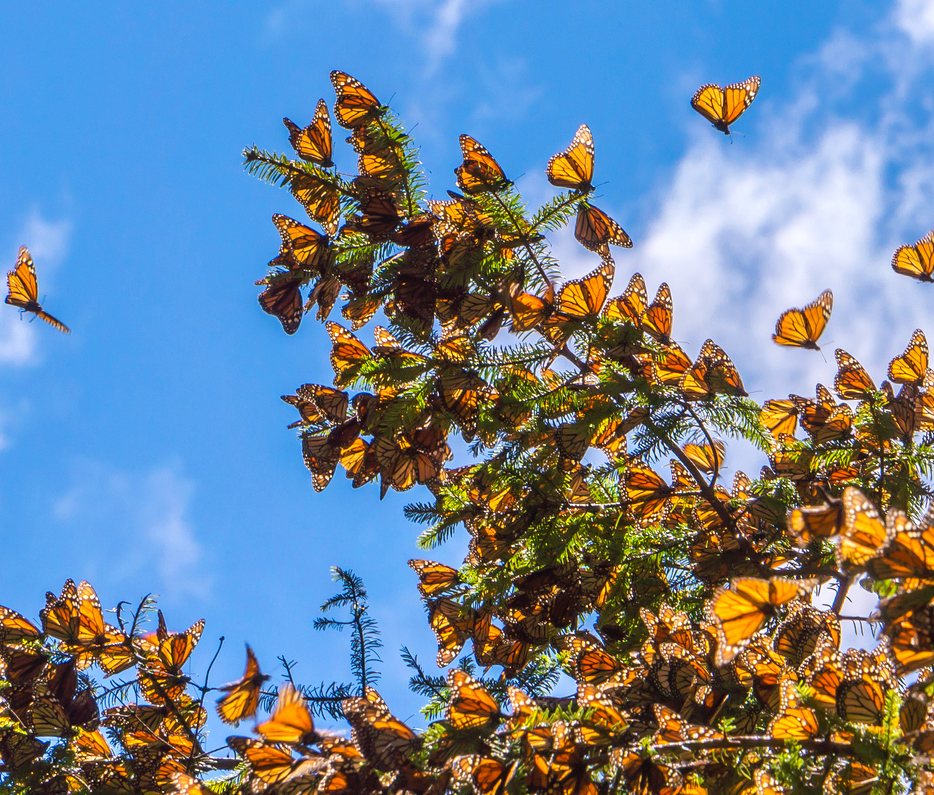
Monarch butterflies are the ultimate snow birds, traveling down to sunny Mexico each fall to wait out the colder months in the U.S. and Canada. Watch a video of some of the orange-hued insects flying around their winter home at Mexico’s Monarch Butterfly Sanctuary. (Photo Credit: JHVEPhoto/ iStock)
|
|
|
|
Quote of the Day
|

|
| “Enjoy the little things, for one day you may look back and realize they were the big things.”
- Robert Brault
|
|
|
|
|