|

|
| Wake up to good news. |
|
| Supported by |

|
|
|
|
Saturday • February 24, 2024
|
|
You’ve heard of isometric exercises and cozy cardio, but what about somatic workouts? Simply put, somatics emphasize the mind-body connection and movement for the sake of movement, so there’s no right or wrong way to do it. “Somatic exercises are used to increase awareness from the inside out ... [and] they can help someone process and move stuck tension, memories, and emotions,” Scott Lyons, a psychologist and body-based trauma expert, told Today. Some examples include diaphragmatic breathing, mindful walking, and even performing “self hugs” — learn more about the practice.
|

|
|
Culture
|

|
| Inside the (Rare) World of Wild Ice Skating on Alaska’s Glacial Lakes |

|
|
EXTREME-PHOTOGRAPHER/ iStock
|
In the wilderness of Alaska, a state with a population of under 1 million, the allure of wild ice skating beckons adventurous souls looking to glide over untouched frozen landscapes. However, the conditions have to be just right to safely skate on natural ice. One must wait for the perfect opportunity, such as a two-week spell of frigid temperatures.
In a recent New York Times article, writer Elaine Glusac recounted this very situation, describing the exhilarating sensation of skating across the vast expanse of finally-solid water on the Portage and Kenai Lakes. “Part of why skating is so rewarding is it’s not a guaranteed thing,” fellow skater Luc Mehl, who grew up in Alaska, told Glusac. “Because of its rarity, it feels special.”
Wild ice skating demands “next-level knowledge” and plenty of safety precautions, especially in remote Alaskan landscapes where the ice can be unpredictable. “We could see open water about 100 yards out, but we stayed away from it, testing the ice at occasional cracks,” Glusac recalled. “In some areas, small waves looked as if they had frozen in motion. Others rippled gently like sand dunes.”
Yet despite the occasional sounds of the shifting ice — which Glusac described as contributing to a sense of “aural wonder” — the experience is one of unparalleled serenity and awe-inspiring beauty, according to those who have conquered it.
|
|
|
|
|
|
Protect Your Privacy on the Internet
|

|
|
The internet offers a wealth of information and opportunities — from connecting with friends far and wide to watching cat videos and, of course, reading Nice News. But it can also present some privacy dangers, namely data brokers collecting and profiting off of your personal information.
You can stop that from happening with Incogni. The subscription service helps you take back control of your data, reduces spam, and prevents scam attacks by automatically opting you out of databases and removing your private details from imposter profiles or people search websites. Keep the internet a safe place for you and get 55% off Incogni with the promo code NICENEWS.
|
|
|
|
*Please support our sponsors! They help us keep Nice News free. ♡
|
|
|
|
|
|
Health & Wellness
|

|
| “Truly Wonderful”: New Mesothelioma Therapy Offers Hope for Highly Fatal Cancer |

|
|
Dr_Microbe/ iStock
|
Scientists have reached a breakthrough in the treatment of mesothelioma, a rare and highly deadly form of cancer that’s linked to asbestos exposure. According to a study published last week, the innovative therapy, which combines a new drug with chemotherapy, increased the median survival of participants by about a month and half.
It also quadrupled the three-year survival rates for those who received the drug combination, compared to a placebo group. Lead author Peter Szlosarek, who has been working on this project “from its earliest stages,” said the results are “truly wonderful” in a press release from Queen Mary University of London.
One of the patients who received the new treatment, Mick, was initially given four months to live after he was diagnosed with mesothelioma caused by asbestos exposure during his time working in a factory in the 1970s. He put his trust in Szlosarek and about six years after his diagnosis, he was able to celebrate his 80th birthday with his family.
“This trial has changed the lives of people with mesothelioma, allowing us to live longer,” Mick said. “I have five grandchildren and two great-grandchildren now — I wouldn’t want to miss all that.”
|
|
|
|
|
|
|
|
Everyday Heroes
|

|
| The History of Denver’s Oldest Firehouse, Where the City’s First Black Firefighters Served |
|
| Denver Firefighters Museum/ Instagram |
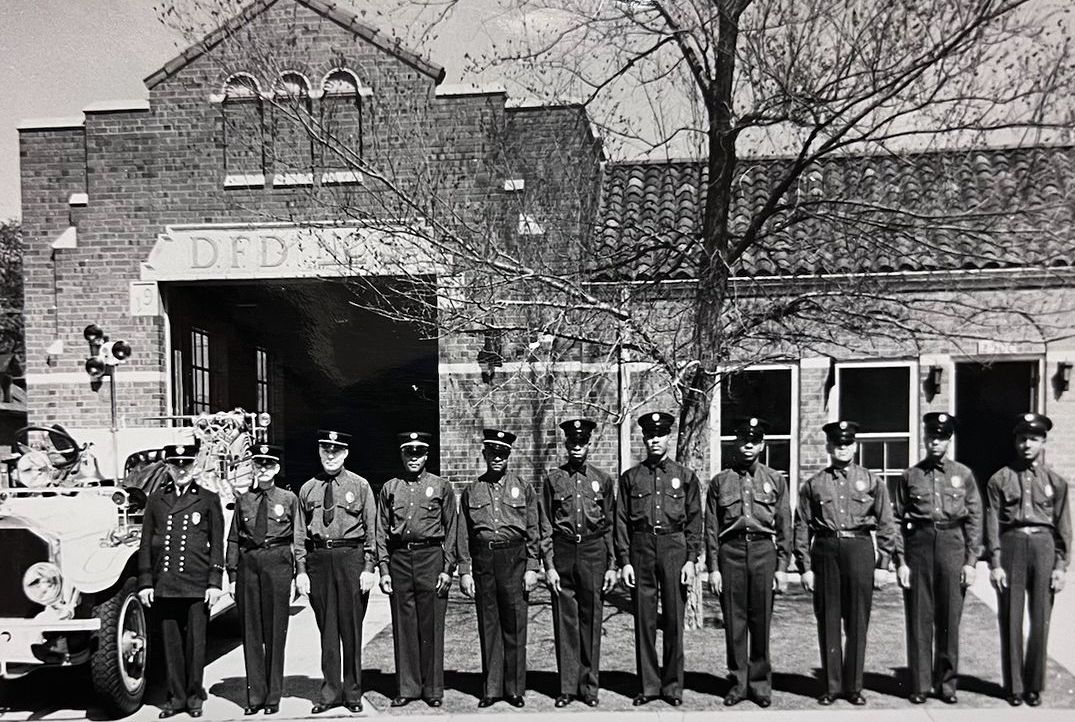
In 1931, Denver Fire Station 3 was built on a corner in the Five Points neighborhood, and until desegregation in the late 1950s, it was where all of the city’s first Black firefighters served. More than nine decades later, the firehouse is the oldest and smallest active station in Denver.
Referred to by many as the “Pride of the Points,” Station 3 holds a special place in the community, especially among the children of the trailblazing public servants. “This was a very prestigious job for a man to have and he took great pride in it. It became more than just a job — it was a career and a lifestyle,” Beatrice Griffin, the daughter of Sidney Frelow, a Station 3 firefighter in the 1930s, told CBS News.
The firefighters who served Five Points and the nearby neighborhood of Curtis Park not only protected residents for decades, but also fought for equity and paved the way for future generations.
“There have been contributions from the Black community in the fire service for many, many years, over a hundred years,” said the now-retired Rod Juniel, Denver’s first Black fire chief. He added: “Our history is decorated with a lot of heroic efforts.”
|
|
|
|
|
|
In Other News
|

|
|
|
|
Inspiring Stories
|

|

|
“It brings all of our people together”
Indigenous HOOPS, which stands for Honoring Our Original People in Sports, initially began as a local basketball league for kids in the Tulalip Nation and has since expanded into a nationwide program addressing the mental health needs of Native youth.
|
|
|
50 and fabulous
Merida Garcia Ramirez, a Delaware woman who never had a quinceañera as a teenager in Guatemala, received an emotional surprise when her family and friends threw her one for her 50th birthday. Ramirez’s tearful reaction was captured in a viral TikTok video.
|
|
|
|
|
Post of the Day
|

|
|
|
@abcnews
|
|
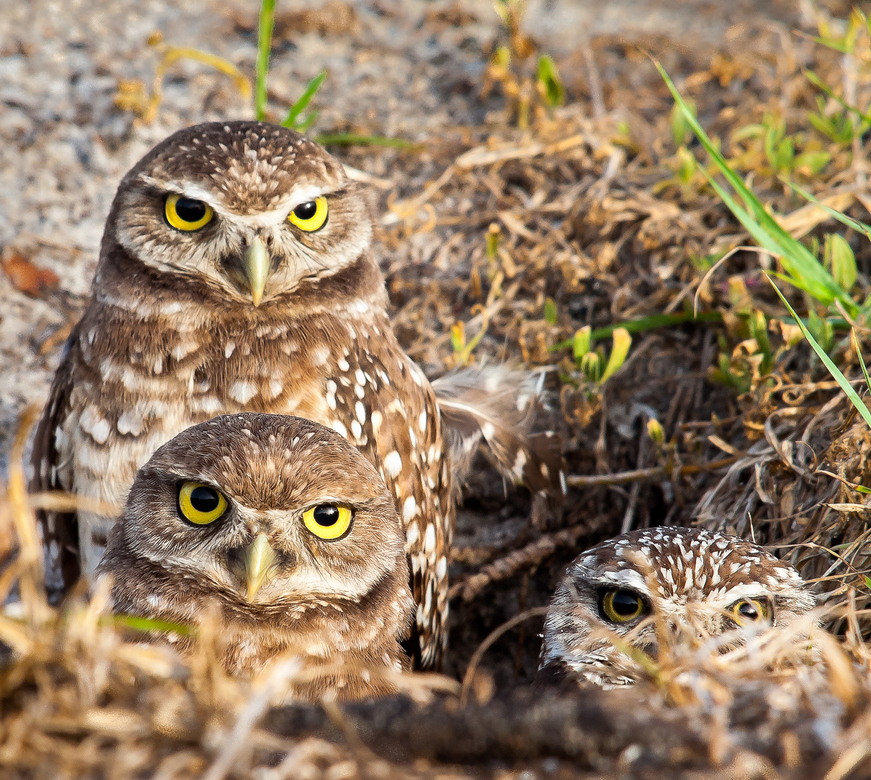
The number of wild burrowing owls has been declining for years, making a recent rehabilitation project from the San Diego Zoo Wildlife Alliance and San Diego Humane Society’s Project Wildlife all the more essential. The two groups worked together to care for three orphaned burrowing owls that were found as babies last year in two different nests. And earlier this week, they reintroduced them to the wild. Watch a video of the adorable trio. (Photo Credit: Francisco Herrera/ iStock)
|
|
|
|
Quote of the Day
|

|
| “Anything worthwhile takes a long time.”
- Debbie Millman
|
|
|
|
|
|